
Chomp Energy 2025: A Year of Growth, Innovation, and New Horizons
5 min
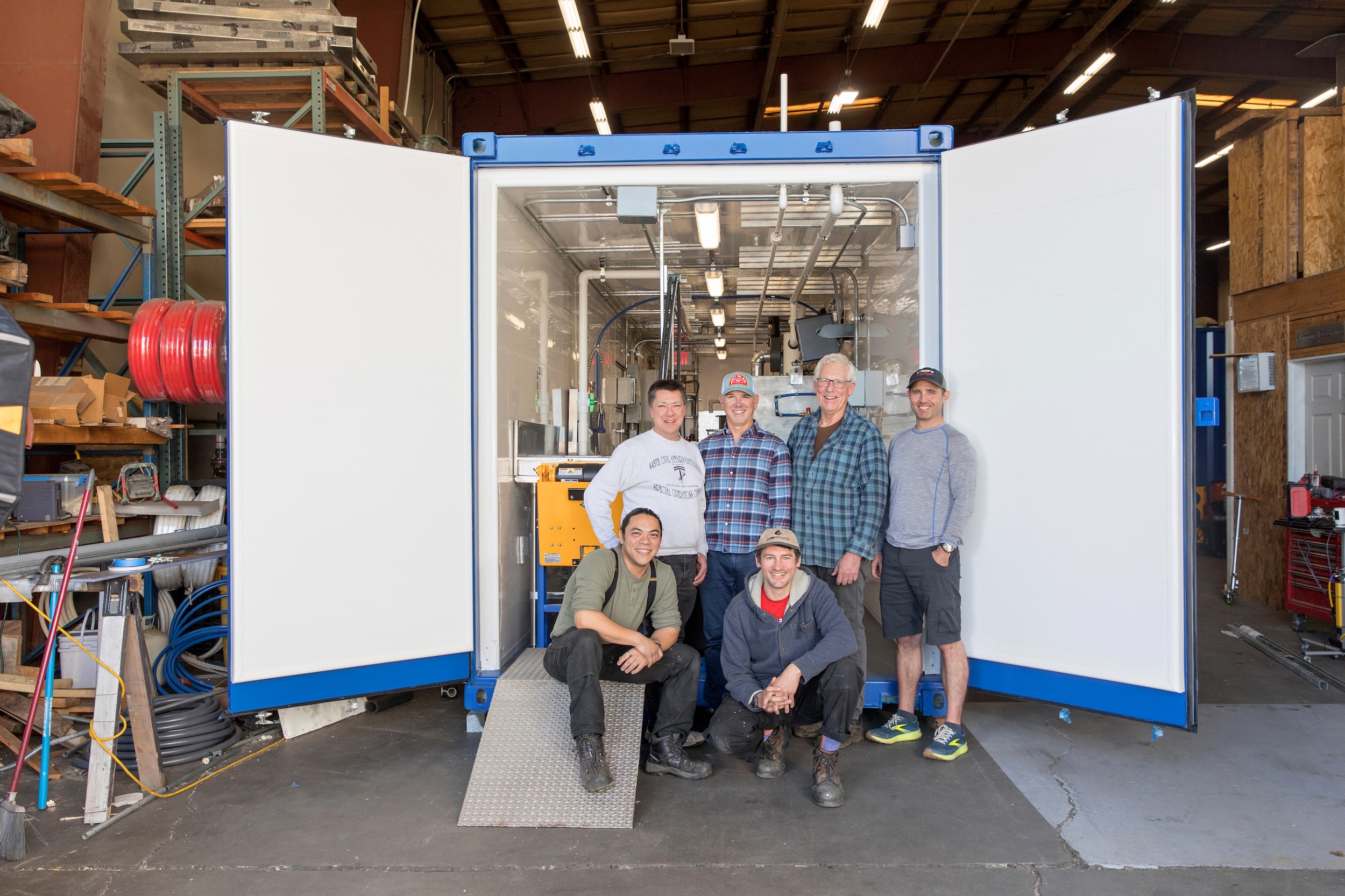
Reflecting on our evolution, partnerships, and bold steps toward a cleaner, circular-energy future.
As 2025 comes to a close, we’re taking a moment to reflect on one of the most transformative years in Chomp Energy’s history. From major technological breakthroughs to joining forces with a long-trusted industry leader, this year has reshaped what’s possible for anaerobic digestion and community-powered energy.
Introducing the New Mini: Our 4th-Generation Mini-Digester
Our biggest story of the year is the arrival of the brand-new Mini Form Factor, the fourth iteration of our compact digester and the first developed in full collaboration with Martin Energy Group.
Designed for higher reliability, improved operator experience, and simplified deployment, the new Mini combines the best of both organizations:
- MEG’s long-proven AD engineering
- Chomp’s user-friendly, modular, community-scale design
- A production and testing process grounded in real-world customer feedback
This version marks a major upgrade to the entire Mini platform—cleaner lines, smarter process controls, better digester access, easier fertigation, and greater long-term durability.
It represents not just another iteration, but the beginning of a new generation of digesters.
Advancing Biofertilizer R&D: A Breakthrough Year for Circular Agriculture
2025 was a huge year for our work in biofertilizer research, both on Vashon Island and throughout King County.
Thanks to a new R&D grant, we’ve been able to deepen our investigation into:
- Improved biofertilizer storage solutions to extend shelf life
- More efficient transportation methods for small farms and community partners
- Advanced water reclamation techniques that make fertigation smarter and more sustainable
- New applications that improve soil health and help growers reduce reliance on synthetic fertilizers
Our VBF research containers—stacked above the main digester platform—served as a dedicated testbed this year. With support from MEG and collaboration with local farmers, we’re preparing for major advances that will carry this program well into 2026.
This ongoing research reflects our commitment to circular agriculture, helping communities grow healthier food while closing the loop on waste.
A Milestone Partnership: Joining the Martin Energy Group Family
In January 2025, Chomp Energy joined the Martin Energy Group (MEG) family— a company with more than 50 years of experience building and operating large-scale anaerobic digestion and renewable energy facilities around the world.
This partnership has already expanded our technical capabilities and deepened our bench of expertise. By combining MEG’s decades of engineering experience with Chomp’s innovation in decentralized, small-scale digesters, we’re moving faster toward a future where every community can turn its organic waste into clean energy and valuable biofertilizer.
One of the biggest advantages of this collaboration: we can now integrate our systems with a wide range of generators, engines, and battery backup technologies—ensuring resilient, uninterrupted energy delivery for customers of all sizes.
Celebrating Jan Allen: Founder, Pioneer, and Lifelong Champion of Community AD
2025 also marked an important moment in our company’s story: the retirement of our founder, Jan Allen. Jan’s vision, passion, and relentless dedication laid the foundation for what Chomp Energy has become today. From the earliest prototypes at Impact Bioenergy to the commercial systems now deployed across the country, Jan has always pushed the industry forward with creativity and conviction.
While we will miss his daily presence, Jan leaves Chomp in exceptionally capable hands—and his legacy is deeply woven into our mission: local food waste, local energy, local impact.
For a deeper look at Jan’s remarkable journey, revisit our recent blog: “Four Generations of Innovation: A Look Back at Chomp Energy’s Anaerobic Digester Journey.”
Get the guide
.jpg)